KPV 10mg
₦200,000.00 – ₦1,500,000.00Price range: ₦200,000.00 through ₦1,500,000.00
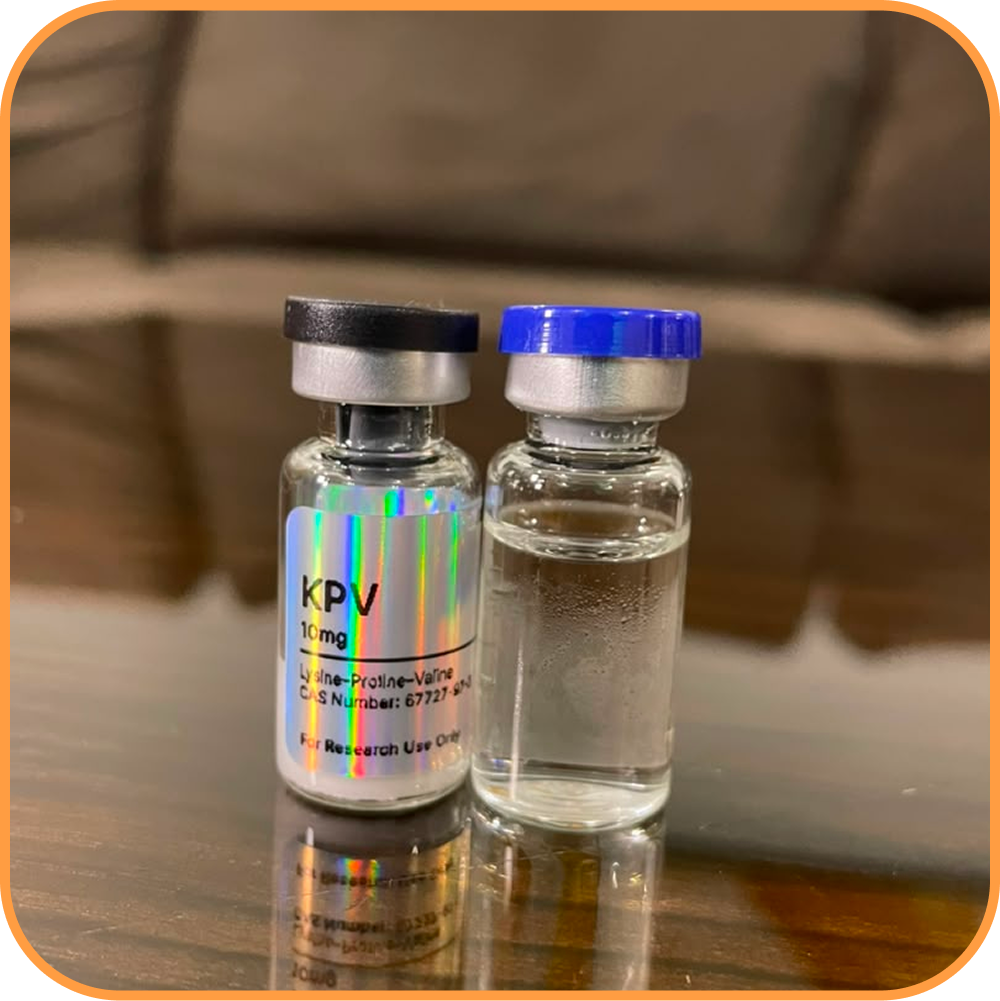
KPV (Lysine-Proline-Valine) is a naturally occurring tripeptide that represents the active C-terminal sequence of alpha-melanocyte-stimulating hormone (alpha-MSH). Because of its extremely small molecular structure, it can easily cross cell membranes and is uniquely versatile, capable of being administered via oral, topical, or injection routes. It is primarily studied for its potent anti-inflammatory, antimicrobial, and tissue-repairing properties, particularly in the gut and skin.
Note: KPV lacks official FDA approval for human clinical use, and standardized dosing guidelines have not been formally established.
Subcutaneous Injection (Systemic Effects): Commonly explored in research settings ranging from 200 mcg to 500 mcg per day.
KPV is generally considered to have a favorable safety profile with rare and mild adverse effects due to its origin as a natural peptide fragment:
Injection Site Reactions: Mild, temporary redness, localized swelling, or minor discomfort if using subcutaneous routes.
Gastrointestinal Adjustment: Mild, transient digestive changes or upset can occasionally occur with oral ingestion.
Topical Irritation: Rare skin sensitivity or localized warmth at the application site for highly sensitive skin.
Unlike traditional corticosteroids or broad immunosuppressants, KPV does not broadly suppress normal immune function.
KPV operates primarily at the intracellular level to disrupt and regulate inflammatory cascades:
NF-kappaB Inhibition: KPV suppresses the activation of Nuclear Factor kappa B (NF-kappa), which acts as a master transcription factor controlling inflammatory gene expression. By turning down this switch, it reduces the production of destructive pro-inflammatory cytokines such as TNF-alpha, IL-1beta, and IL-6.
PepT1 Transporter Utilization: In the gastrointestinal tract, KPV leverages the PepT1 peptide transporter (abundant in intestinal cells and immune cells) to cross cellular barriers directly, allowing it to target localized gut inflammation and support mucosal healing.
Direct Antimicrobial Activity: Beyond inflammation, the sequence demonstrates targeted capacity against specific pathogens (such as Staphylococcus aureus and Candida albicans) by interfering with microbial viability without harming host tissue.