DSIP 2mg
₦200,000.00 – ₦1,500,000.00Price range: ₦200,000.00 through ₦1,500,000.00
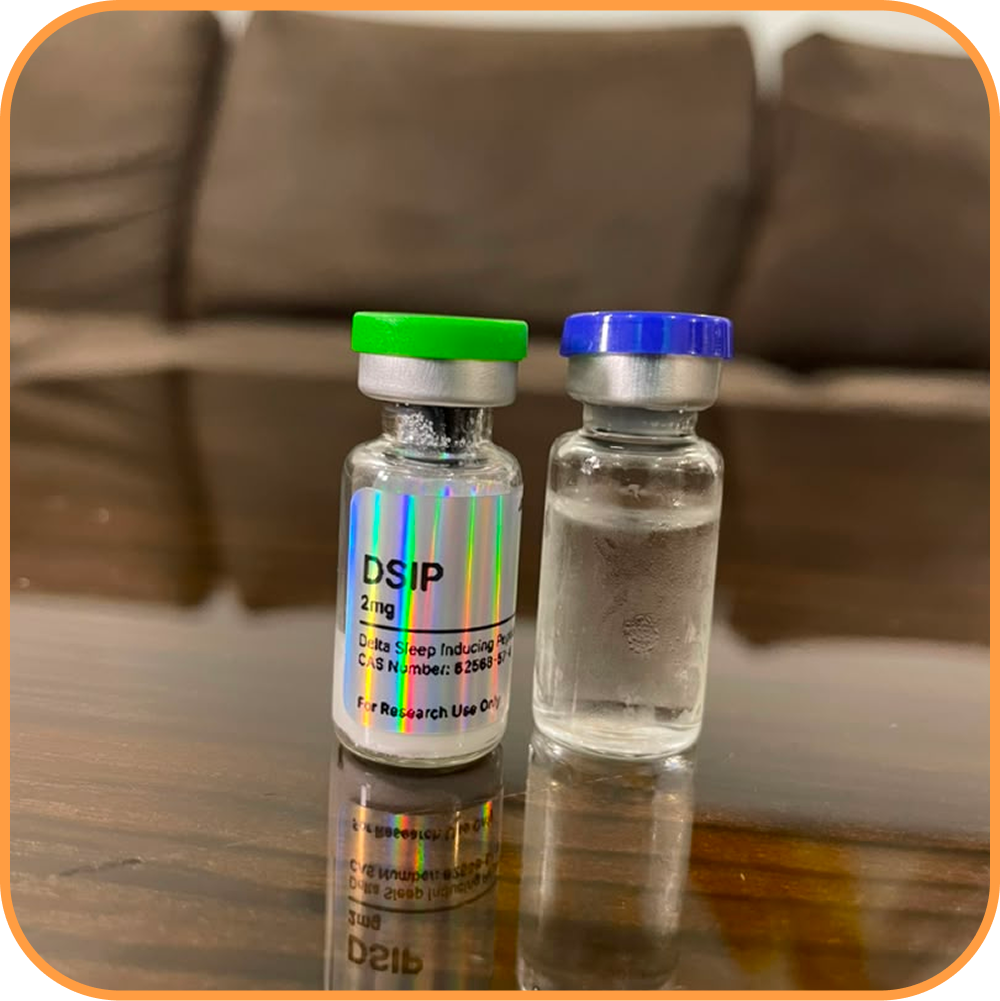
DSIP (Delta Sleep-Inducing Peptide) is a neuropeptide originally isolated from the venous blood of rabbits during induced slow-wave sleep. Chemically, it is a naturally occurring octapeptide (consisting of eight amino acids: Trp-Ala-Gly-Gly-Asp-Ala-Ser-Gly) that crosses the blood-brain barrier to influence central nervous system activity, particularly related to sleep regulation, stress management, and endocrine function.
Note: DSIP is primarily utilized in research contexts and is not an FDA-approved medication for human therapeutic use.
Research Dosage Range: Typically ranges between 100 mcg to 300 mcg per administration.
Administration Timing: Because of its sleep-modulating properties, it is usually administered subcutaneously roughly 1 to 2 hours before bedtime.
Protocol Structure: Research protocols often involve intermittent use (e.g., cycling for a few weeks followed by a break) rather than continuous long-term administration to prevent receptor desensitization.
DSIP is generally reported to be well-tolerated in research settings, but side effects can occur, particularly at higher concentrations:
Mild Injection Site Reactions: Redness, minor swelling, or itching at the subcutaneous injection site.
Temporary Fatigue or Drowsiness: An unintended carryover effect if administered too late in the evening or at higher-than-recommended doses.
Headaches or Lightheadedness: Occasionally reported mild, transient vascular or neurological discomfort.
Vivid Dreams: Alterations in REM sleep architecture can lead to unusually vivid or intense dreams.
DSIP influences multiple neurochemical pathways to modulate sleep and stress responses:
Slow-Wave Sleep (SWS) Promotion: It targets specific centers in the brain to encourage delta-wave (deep) sleep phases, though its exact receptor binding targets are complex and continue to be studied.
Stress Axis Regulation: DSIP interacts with the hypothalamic-pituitary-adrenal (HPA) axis, helping to modulate cortisol levels and mitigate the physiological impacts of acute and chronic stress.
Neurotransmitter Modulation: It influences the release and activity of various neurotransmitters and neuromodulators (including somatostatin and luteinizing hormone), which indirectly affects growth hormone secretion and autonomic nervous system balance.