MOTS-c 10mg
₦200,000.00 – ₦1,200,000.00Price range: ₦200,000.00 through ₦1,200,000.00
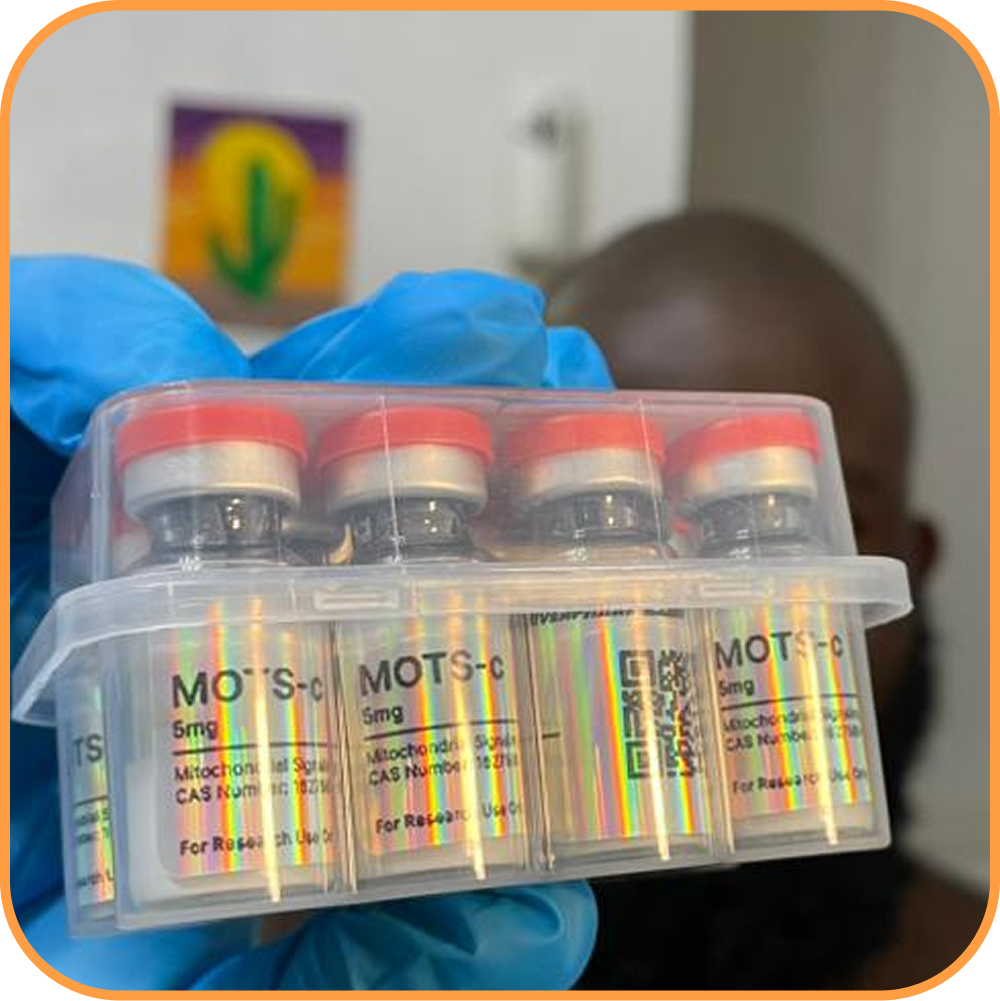

MOTS-c (Mitochondrial Open Reading Frame of the 12S rRNA-c) is a naturally occurring mitochondrial-derived peptide. Unlike most peptides encoded by the cell’s nuclear DNA, MOTS-c is encoded within the mitochondrial genome. It functions as a systemic signaling molecule that plays a crucial role in regulating metabolic homeostasis, exercise adaptation, and the aging process.
Dosage:
Note: The following information is for educational purposes only. Dosing protocols can vary significantly based on individual goals and professional guidance.
Administration Method: MOTS-c is typically administered via subcutaneous injection.
Standard Dosage: A common research-based protocol involves a dosage range of 5 mg to 10 mg per week.
Frequency: This weekly total is often divided into smaller, daily or every-other-day injections to maintain stable levels, or administered as a single larger dose.
Cycle Duration: Cycles generally last for 4 to 8 weeks, followed by a washout period to assess individual response and tolerance.
Directions: Draw 3ml of BAC Water and inject into MOTS-c vial slowly. swirl the bottle very gently until solution dissolves
Storage: after solution has dissolved, store in a fridge and exhaust it before 28 days
Side Effects:
While MOTS-c is generally considered to have a favorable safety profile in clinical and research settings, potential side effects may include:
Injection Site Reactions: Redness, itching, swelling, or mild pain at the site of the injection are the most commonly reported side effects.
Hypoglycemia: Because of its potent effect on glucose metabolism, some users may experience symptoms of low blood sugar (dizziness, shakiness, or fatigue) if not carefully monitored.
Gastrointestinal Distress: Rare reports of mild nausea or stomach discomfort have been noted.
Fatigue: Some users report an initial period of fatigue as the body adjusts to the metabolic shifts induced by the peptide.
How it Works:
MOTS-c acts as a bridge between mitochondrial function and nuclear gene expression. Its primary mechanisms include:
Metabolic Regulation: It facilitates the transport of folate into the mitochondria and modulates the AICAR pathway. This activates AMPK (AMP-activated protein kinase), which is often referred to as the body’s “master metabolic switch.”
Insulin Sensitivity: By activating AMPK and enhancing fatty acid oxidation, MOTS-c helps improve insulin sensitivity and glucose metabolism, potentially protecting against diet-induced insulin resistance.
Exercise Mimetic: MOTS-c levels naturally rise during physical exertion. Studies suggest that administration of the peptide can mimic some of the beneficial effects of exercise, such as increased mitochondrial biogenesis and improved physical performance.
Cellular Stress Response: It helps cells adapt to oxidative stress and inflammation, potentially slowing age-related metabolic decline.